
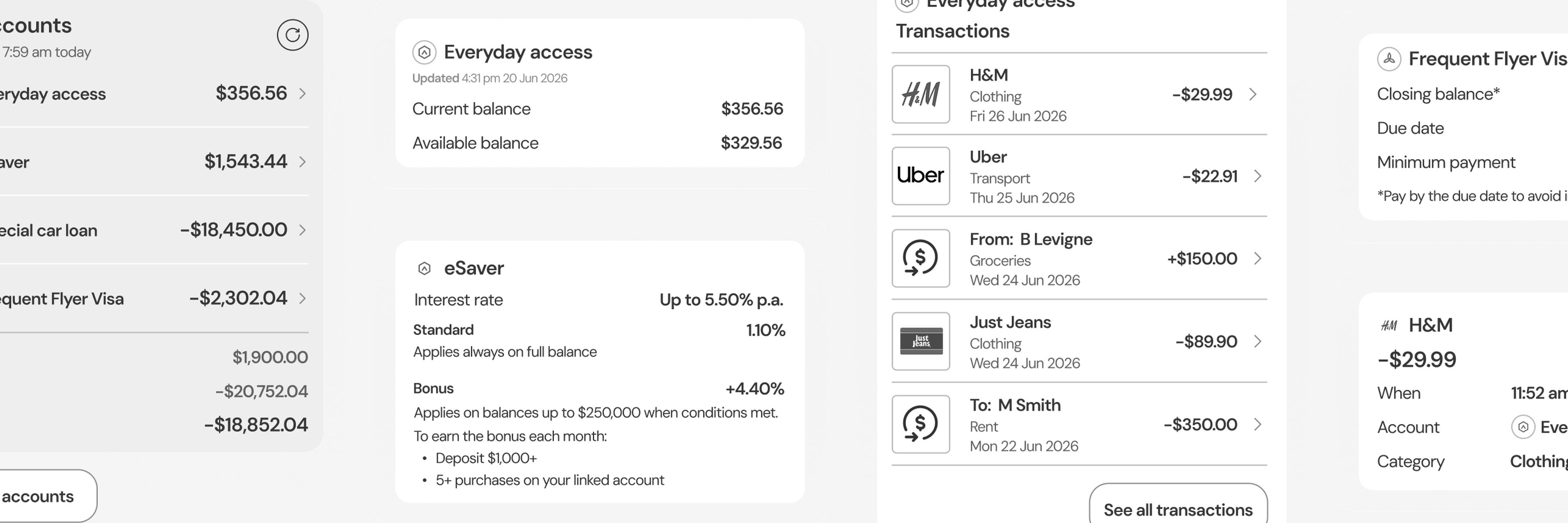
A month ago I wrote about opening the Lucie Money app and watching it work for the first time. I was able to see a list of accounts, check balances and view recent transactions.
This week I was able to see more: multiple accounts, full transaction lists dynamically filtered, account details views showing balance details, interest rates and more.
It’s starting to feel like a product.
What’s there now
The set of widgets for accounts and transactions is now pretty-much built out. A user can see all their accounts (or a selection of them) in one place; open any one of them for details; and open any transaction for the full detail behind it.
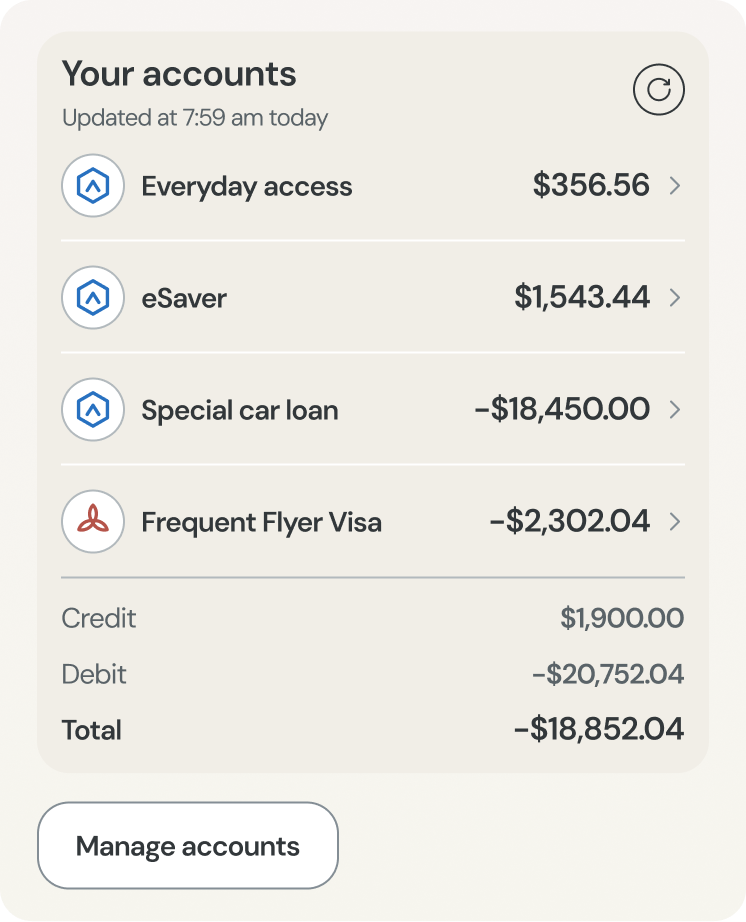
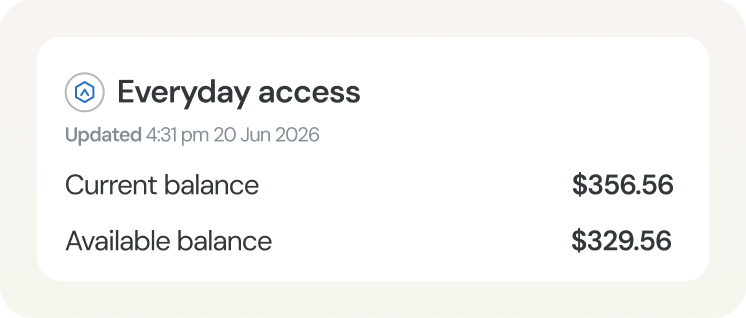
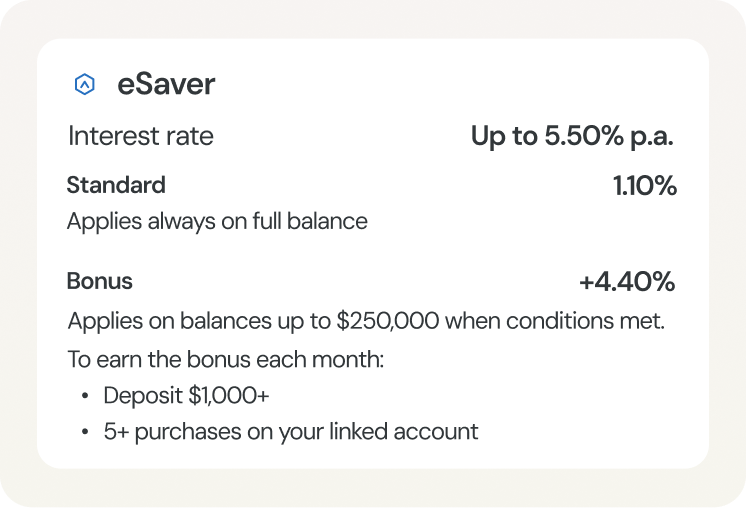
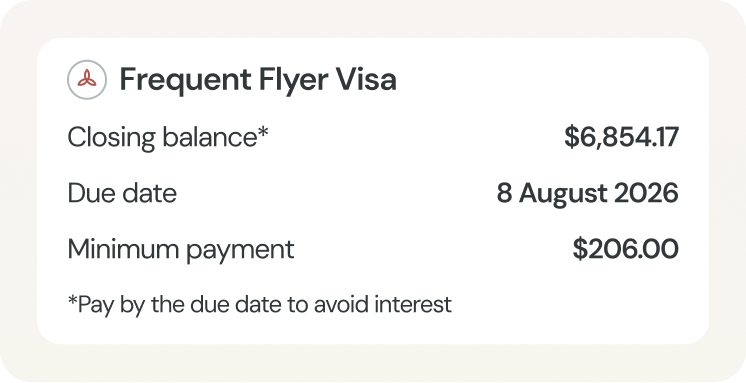
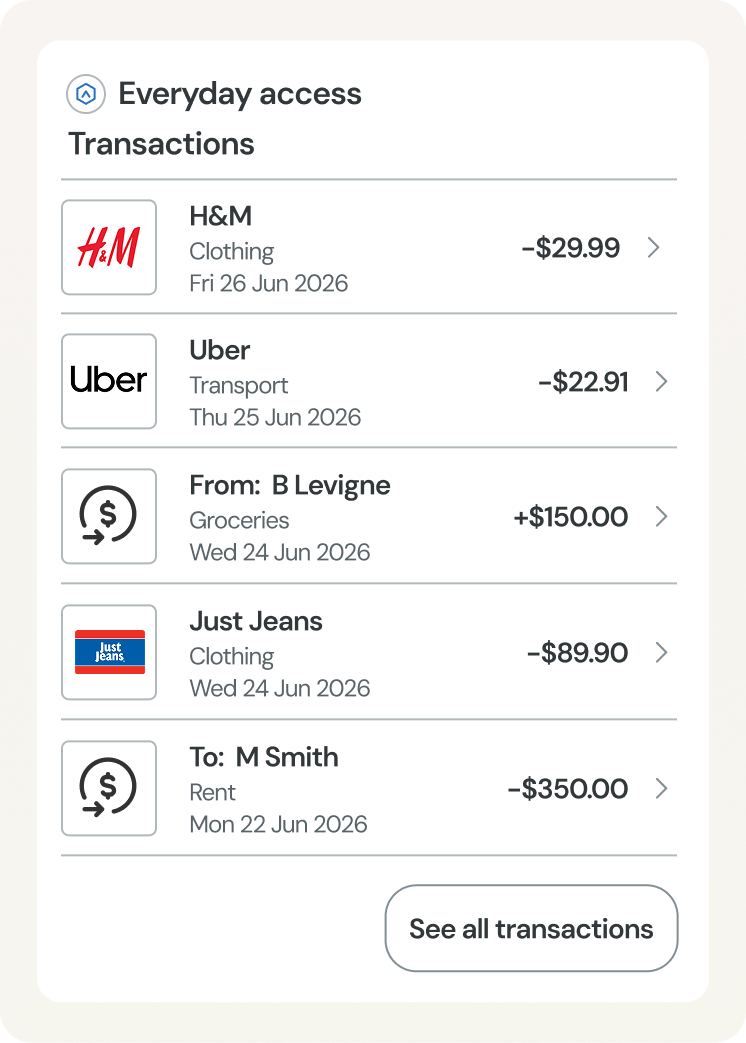
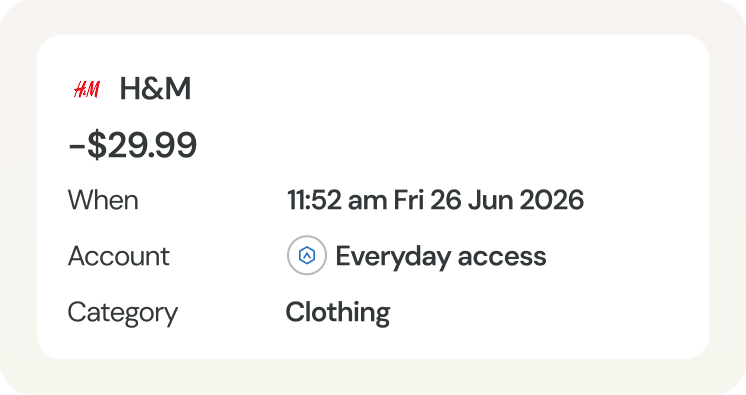
The main thing to emphasise is that every figure in these widgets comes straight from the user’s bank, not from Lucie’s AI. In Lucie, the AI’s job is to explain what’s going on with the user’s money. That key architectural construct is where most of the effort has gone, and it’s why this stage has taken so long.
None of this is exotic. Every banking app on your phone does some version of it. But we had to create all the foundational capability first before we could build the fancy stuff. And we had to build ours from nothing, mind you.
Test data is too well behaved
The next real step is getting off test data. Test accounts are tidy with sensible names, sensible amounts, sensible dates, and nothing missing. Real accounts are not like that, and we don’t yet know all the ways they’ll trip us up.
Some of it we can guess at already. Merchant names can be inconsistent between banks; we’ve only got a handful of merchant logos so far (you need hundreds before a transaction list starts looking like places you’ve actually been).
Most of it, though, we’ll only find out once real data starts arriving. That’s just how it goes.
What comes next
First, real bank data. We’re at the contract stage with our open banking partner and working through the last of the legal detail. Once that’s settled, Lucie can start connecting to real accounts.
Then the part people ask about most: making sense of spending. Sorting transactions into categories, working out what’s normal for each person, spotting when something isn’t, and then saying something useful about it. That’s where it starts to get interesting.
Subject to how our regulatory work goes, we’re still aiming to get preliminary functionality out in the second half of this year.
So there’s still a lot to do and in some ways we’re just at the beginning. But a month ago I couldn’t have opened an account and looked at what was behind a transaction. This week I could. That’s progress.
There’s a waitlist at lucie.money.